


Reclaiming Our Power: A Call to the Black Church to Restore Civic Leadership

 0
0 649 views
By lwilliams@semourbanvoices.com - December 6, 2025
In small cities and rural Black communities across Southeast Missouri, Southern Illinois, and the Missouri Bootheel, a troubling silence has taken hold. Towns that once thrived with civic energy — places like Carbondale, Cairo, Cape Girardeau, Charleston, Sikeston, and Poplar Bluff — now face a growing crisis of political disengagement. Voter turnout among Black residents in many of these areas has declined, and civic participation has weakened at a time when our communities can least afford it. Politics is moving on without us, and the consequences are beginning to show.
Across this region, Black residents remain a significant presence:
- Carbondale’s population is roughly one-quarter Black.
- Cape Girardeau is about 14–15% Black.
- Poplar Bluff is more than 11% Black.
- Cairo remains majority Black, even after decades of population loss.
A Region at a Crossroads
In many of these communities, we have the numerical power to influence schools, economic policy, policing, healthcare funding, and infrastructure — if we participate.
Yet in many rural towns and small cities, political apathy is taking root. Declining populations, economic strain, church closures, and the collapse of local institutions have left many Black residents discouraged and disconnected from civic life. When we disengage, we surrender our power — and decisions affecting our daily lives are made without our voice.
A Call to the Black Church
This editorial is a challenge and an invitation to one of our most important institutions: the Black church.
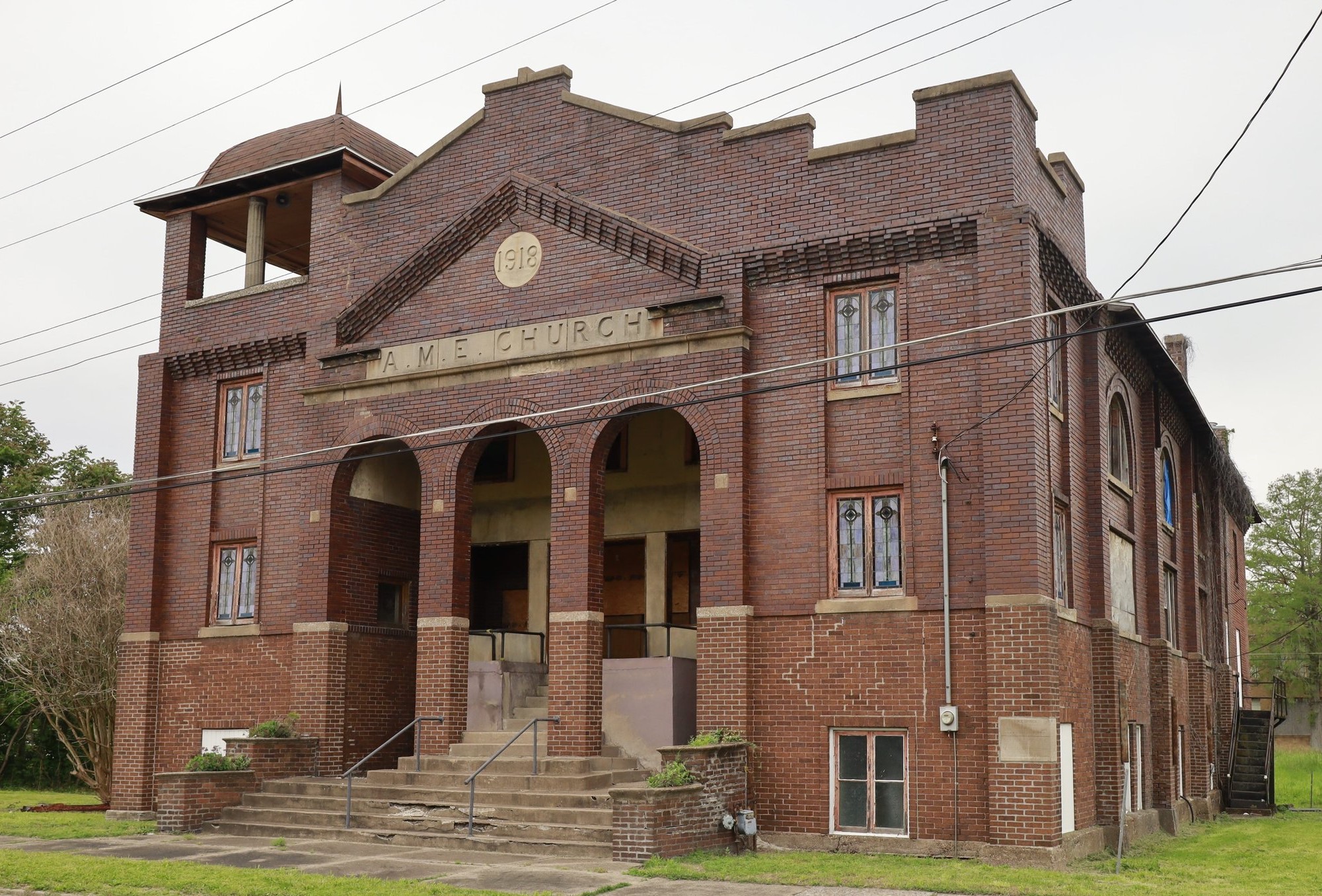
For more than a century, the Black church was the backbone of civic life. It nurtured leaders, organized mass movements, taught political literacy, and equipped people to fight for their dignity at the ballot box. From the Civil Rights Movement to local school board campaigns, churches carried people from their pews to the polls. Today, that tradition has faded in too many places — but it can be revived.
The Black church still holds unmatched moral authority, trusted leadership, and the ability to organize at scale. The question is whether our churches will reclaim their historic role at a moment when our communities desperately need direction and hope.
Urban Voices extends its deepest respect to the pastors, deacons, civic organizers, and community advocates who continue to stand in the gap for our people across Southeast Missouri and Southern Illinois. Many of you register voters after service, host forums, teach young people, feed families, and speak truth in rooms where silence has become the safer option. Your work is essential, and your leadership remains a pillar of strength throughout our rural towns and small cities.
Yet for others, this moment calls for honest self-examination. Leadership is not passive. It does not wait for permission, or another institution to take the first step. Leadership acts because the need is urgent and the responsibility is moral. If this message feels uncomfortable, then perhaps the shoe fits. And if it does, the crucial question is what steps you are willing to take now, not later, to strengthen and uplift the communities that depend on your voice, your courage, and your witness.
What Reclaiming Leadership Looks Like
Preach Civic Responsibility as a Spiritual Duty: Pastors can reintroduce civic sermons, voter-education Sundays, and conversations about how faith and public policy intersect. When congregations understand the moral stakes of political decisions, participation rises.
Build Nonpartisan Civic Ministries: Churches can create committees focused on voter registration, transportation to the polls, community forums, and civic education. These efforts can be neutral, legal, and mission-driven.
Mentor New Leaders: Many young people in the Bootheel and Southern Illinois want to serve but lack guidance. Churches can become training grounds again — helping nurture local candidates for school boards, city councils, and community boards.
Remove Practical Barriers to Voting: Provide rides. Host registration drives. Offer childcare on Election Day. Make voting part of the church culture again.
Celebrate Local Civic Wins: Small victories — a restored bus route, a reopened clinic, a safer neighborhood, a new grocery option — show people that political engagement works. Momentum builds when success is seen and shared.
The Cost of Silence
If we do nothing, the decline of our towns will accelerate.
If we stay silent, others will decide the future of our schools, our hospitals, our neighborhoods, and our children.
If we remain politically disengaged, we lose the ability to demand justice, opportunity, and equitable investment.
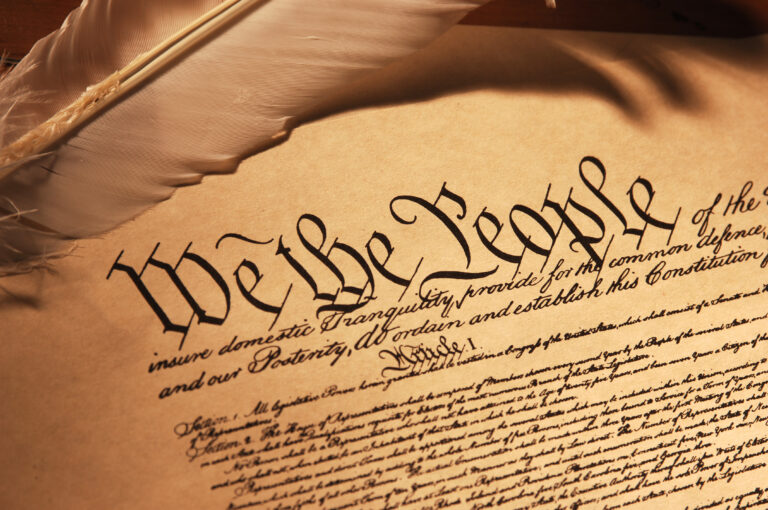
Our ancestors fought too hard for the right to vote for us to let that power wither.
The Black church has always been more than a building; it has been the heartbeat of our freedom. Today, it must once again become the engine of our civic rebirth. From Carbondale to Cairo, from Cape Girardeau to the Arkansas line, and from Poplar Bluff to the Mississippi River, our communities are waiting for leadership that inspires engagement, awakens responsibility, and rekindles hope.
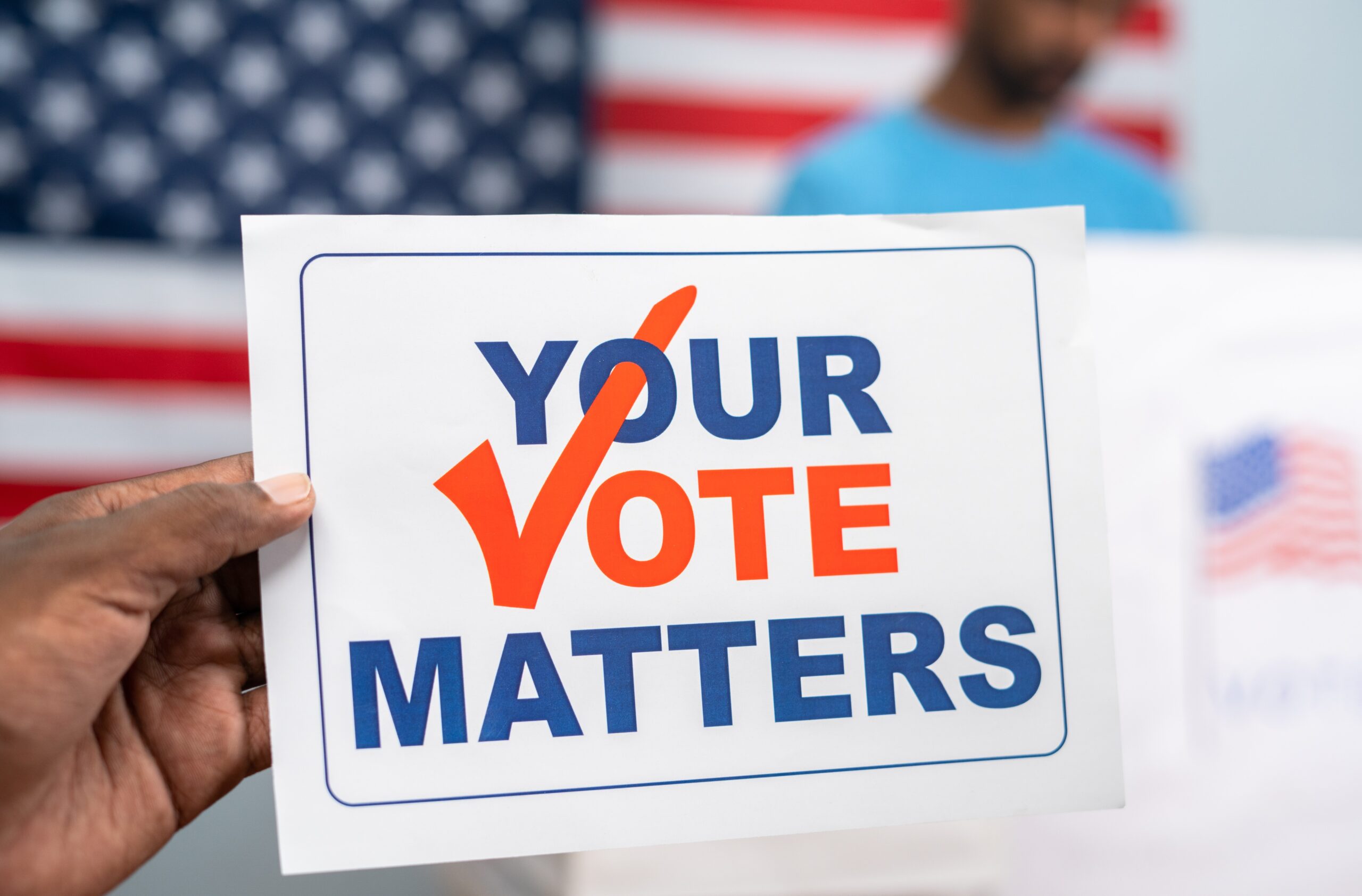
The ballot is still our most powerful tool. The pulpit can help us remember how to use it.
Urban Voices – Editorial Feature
These questions are not offered to shame, but to awaken conviction.
What, in your view, is your personal responsibility in addressing declining civic participation among Black residents in your community? Are you exercising bold leadership, or waiting for someone else to move first? The Black church once served as the center of civic life in our region. What specific steps are you taking to restore that role in your congregation or organization? If none, what stands in the way? How often do you speak to your members about voting, schools, public safety, economic policy, or healthcare? If these conversations are rare, why not create a nonpartisan committee or ministry dedicated to civic education and engagement?
What actions are you taking to confront political apathy or remove the barriers that keep people from voting, such as transportation, misinformation, or lack of access? Are you actively mentoring young leaders who can step into civic roles and influence local decision-making? If not, who do you expect to lead a decade from now? In a region as interconnected as ours—stretching from Carbondale to Cairo, from Cape Girardeau to Sikeston, from Poplar Bluff east to the Mississippi River—are you collaborating across city lines to build regional unity and shared power? If not, what prevents it?
When issues arise that impact Black communities—policing practices, school inequities, food deserts, rising healthcare cuts—do you speak publicly and consistently? If fear of backlash holds you back, what steps will you take to overcome it? How are you using your pulpit or platform to inform, empower, and equip the people who trust your leadership? When did you last preach or teach about civic duty, voting rights, or community responsibility? What is your five-year vision for the community you serve, and what concrete actions are you prepared to commit to today?
Across Southeast Missouri, the Bootheel, and Southern Illinois, our communities cannot afford hesitation, silence, or disengagement from the leaders entrusted with their care. This moment demands clarity, courage, and renewed commitment. The people are watching. The children are watching. History is watching. And leadership, real leadership, begins the moment we choose to act.
If the shoe fits—lace it up, and lead.
Related News

Reclaiming Our Power: A Call to the Black Church to Restore Civic Leadership
By - December 6, 2025


Kinder, Guard to Face Off in Cape Girardeau Mayoral Race; Several Council Seats Uncontested
By - November 24, 2025
Establishing Space: How one African American curator makes room amid shifting DEI priorities
By - November 24, 2025
Celebrating the Legacy of the Blues Highway U.S. Route 61 and the Mississippi Blues Trail
By - November 24, 2025
Ya been had! Ya been took! Ya been hoodwinked! Bamboozled! Led astray! Run amok!”
By - November 24, 2025
Dean L. Rogan Sr. A 59-Year Legacy of Healing, Leadership, and Service to Community
By - November 24, 2025











Recent News

Cairo’s Historic Cavalier Club to Be Reborn as Cavalier Regional Arts and Events Center
By - December 14, 2025
0
Reclaiming Our Power: A Call to the Black Church to Restore Civic Leadership
By lwilliams@semourbanvoices.com - December 6, 2025
0
Living legacies: The life experiences of Southern Illinoisans
By lgibbs@dailyegyptian.com - December 4, 2025
0