


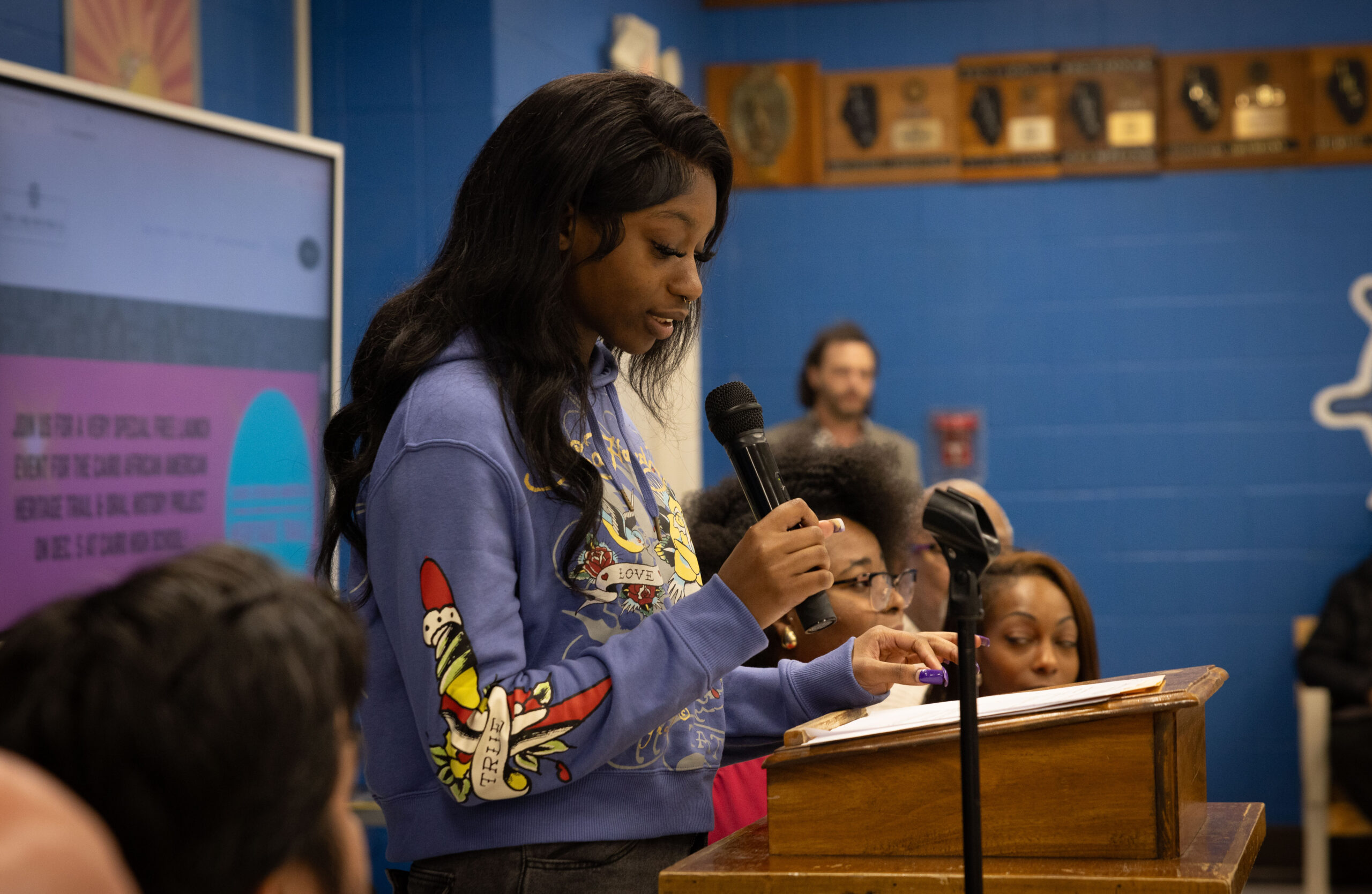
Cairo Community Launches African American Heritage Trail and Oral History Project

 0
0 178 views
By L Williams - December 7, 2025
Cairo made a powerful stride toward reclaiming its historical narrative Friday evening as residents, and local leaders gathered at Cairo High School to witness the beginning of a new chapter in local preservation; to celebrate the official launch of the Cairo African American Heritage Trail and the Cairo Oral History Project. The two initiatives represent a renewed commitment to documenting and elevating the history of African Americans whose lives and labor have shaped the city for generations.
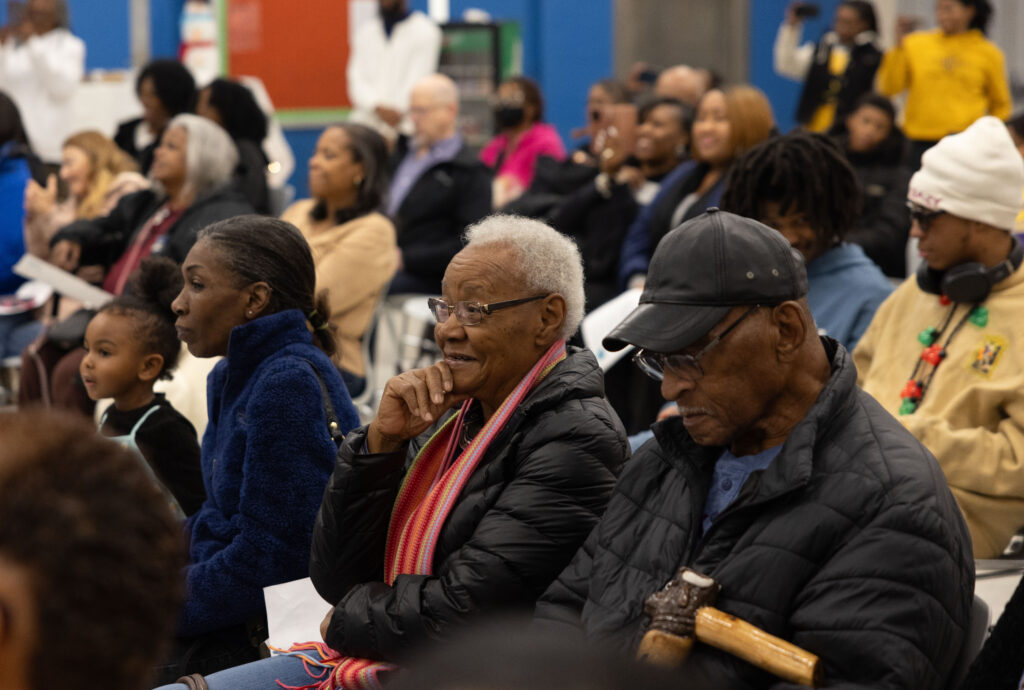
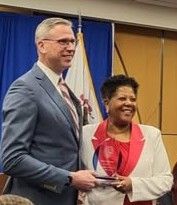
Photo by Julia Rendleman
The event carried an unmistakable sense of pride and urgency as one elder summed up the spirit of the evening simply: “We’re here because this is our story. Cairo is home.”
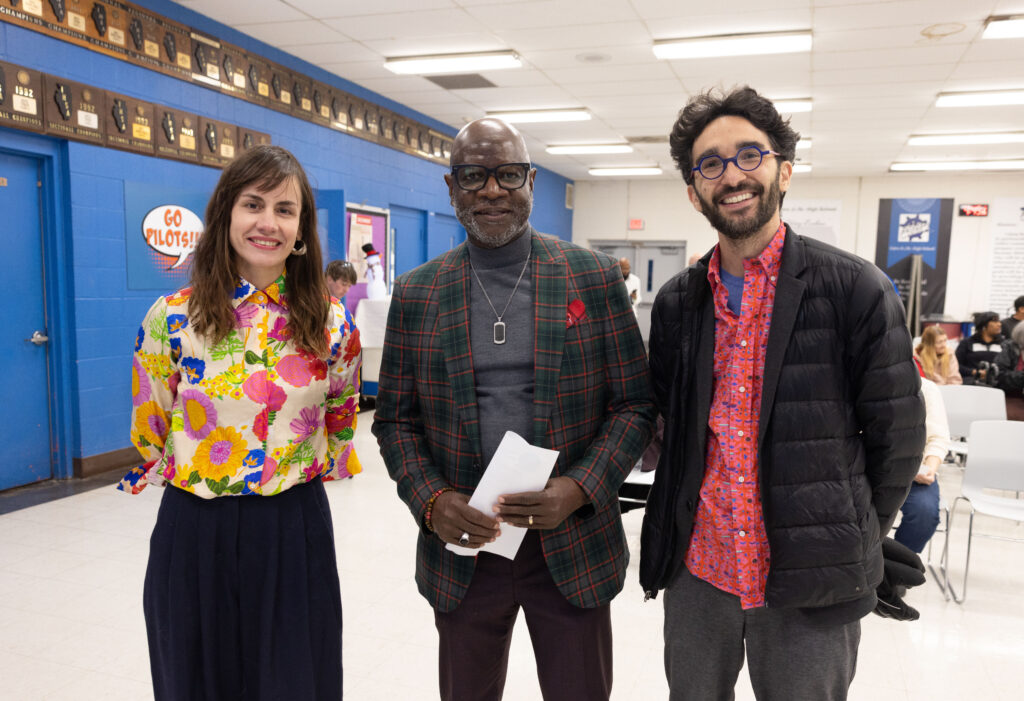
The projects are the result of a broad collaboration and sponsorship by local leaders and academic institutions. Magdelena Novda Echaurren of the University of Illinois Urbana-Champaign and Julia Rendelman of Southern Illinois University–Carbondale, Joseph Altshuler, Quinn Adamowski with Landmarks Illinois and Don Patton, president of The Cairo Historical Preservation Project, who emphasized that the work must be guided by the people who lived the history. Patton underscored the importance of capturing these voices while the opportunity still exists, noting that “when an elder dies, it’s like a library burning to the ground.” he said, noting that the oral history component ensures that community memory will not be lost. He added that reclaiming this history is an act of truth-telling, healing, and pride, especially in a city where African American contributions have often been neglected or obscured.
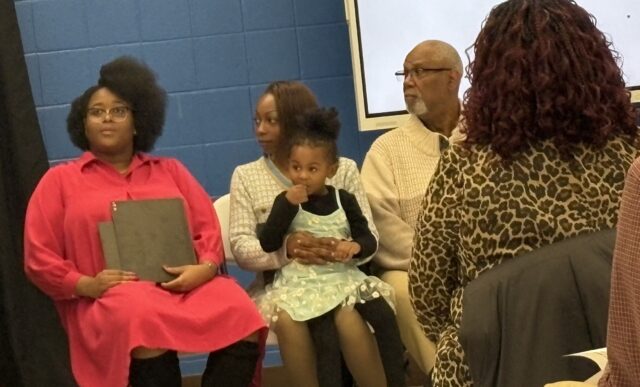
The interview team Robinson, Wiley, and Williams. Photo by Julia Rendleman
An interview team made up of Lloyd Williams, Jasmine Wiley, and DaJonea Robinson conducted conversations with 15 current and former residents aged 50 and older. Their stories capture decades of neighborhood life and traditions, school life, education, church leadership, Black-owned businesses, civic engagement, and family history.
These interviews will be featured in a growing digital archive through the “Cairo, IL – Historic Places” project.
The African American Heritage Trail is bringing the physical geography of Cairo’s Black history back into view. Now entering its public-development phase, the trail identifies and interprets locations central to African American life in the city.
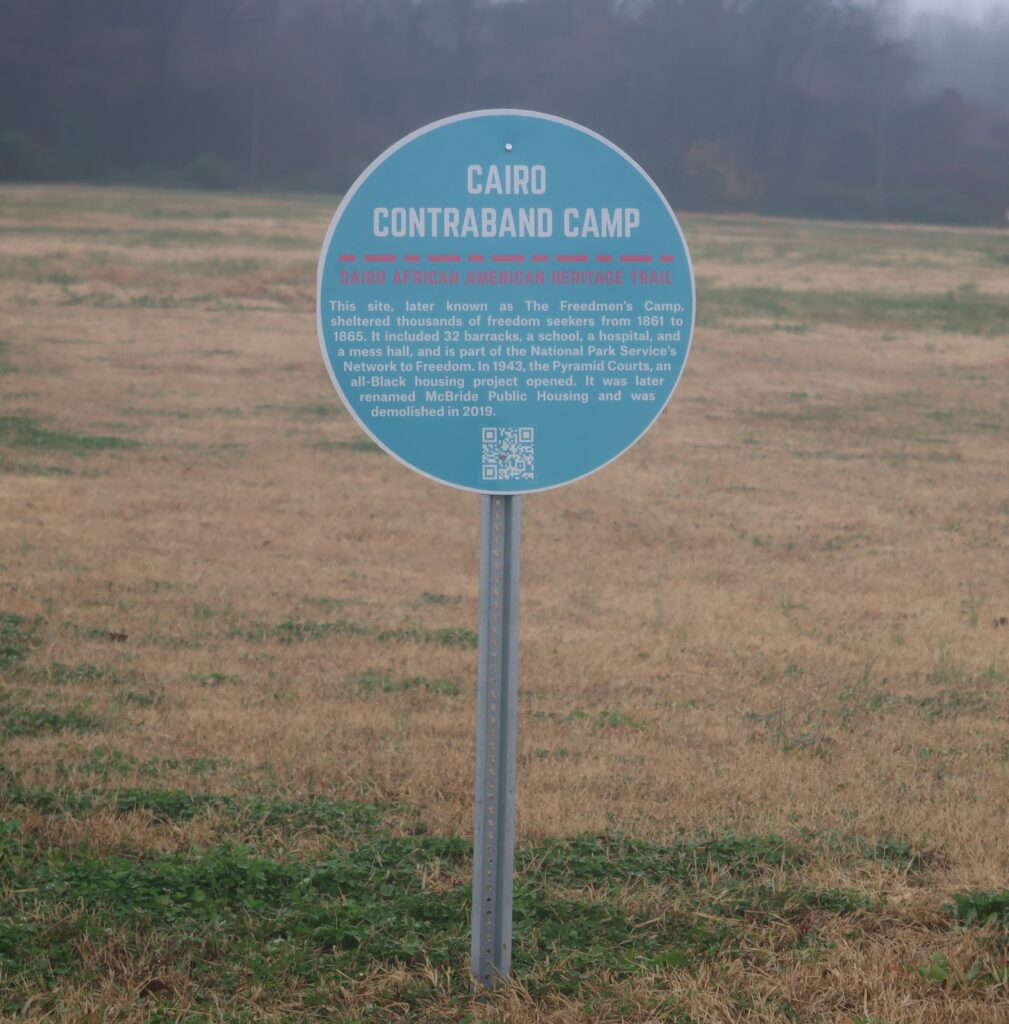
Six markers have already been installed, with more planned as the project grows toward its goal of fifteen. The sites include historically Black neighborhoods, churches, social institutions, schools, and locations tied to the city’s civil rights legacy. Some of these places still stand; others exist only in memory, making their inclusion all the more vital. Organizers envision the trail as both an educational resource for local families and a heritage tourism asset for the region, complete with QR-linked oral histories and archival materials.
Joseph Altshuler of the University of Illinois described the vision for the trail as a space for reflection as well as education. Rather than simply placing signs, he imagines kiosks and gathering points where residents and visitors can pause, sit, and truly engage with the stories that shaped the landscape. Preservation experts at the event noted that Cairo’s initiative is quickly becoming a statewide model for communities seeking to honor histories that have been overlooked or erased. “Even when buildings are gone,” one speaker said, “the intangible heritage lives on. Making it visible is an act of justice and repair.”
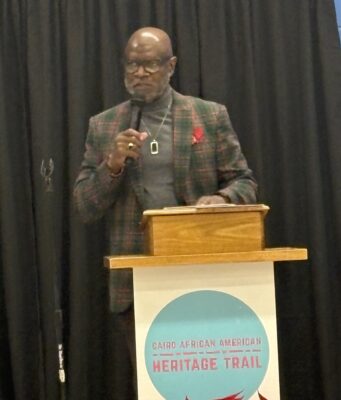
For many attendees, the evening felt like a cultural homecoming. Cairo’s African American history has long been central to national conversations about labor, civil rights, and self-determination, yet local narratives have too often been overshadowed by stories of decline or conflict. The new trail and oral history project offer a counterbalance—an opportunity to acknowledge the fullness of the city’s past and reshape how future generations understand it. As Patton told the audience, “This project takes us back to who we are, where we’ve been, and where we’re going. To change the narrative, you must start with truth.”
The first phase of the Heritage Trail is expected to be formally unveiled in 2026, alongside the continued expansion of the oral history archive. The public can explore early materials at the website “Cairo, IL – Historic Places” as the city moves forward in restoring its historical record and honoring the people who built it.
Urban Voices will continue to follow and uplift this effort as Cairo moves forward in reclaiming its place within the broader history of African American resilience, creativity, and leadership.
Six markers have already been installed, with more planned as the project grows toward its goal of fifteen. The sites include historically Black neighborhoods, churches, social institutions, schools, and locations tied to the city’s civil rights legacy. Some of these places still stand; others exist only in memory, making their inclusion all the more vital. Organizers envision the trail as both an educational resource for local families and a heritage tourism asset for the region, complete with QR-linked oral histories and archival materials.
Related News

Cairo’s Historic Cavalier Club to Be Reborn as Cavalier Regional Arts and Events Center
By - December 14, 2025

2025 Empowerment Conference: The Impact and Reality of Proposed Healthcare Cuts.
By - December 11, 2025
Cairo Community Launches African American Heritage Trail and Oral History Project
By - December 7, 2025
Reclaiming Our Power: A Call to the Black Church to Restore Civic Leadership
By - December 6, 2025



Kinder, Guard to Face Off in Cape Girardeau Mayoral Race; Several Council Seats Uncontested
By - November 24, 2025
Establishing Space: How one African American curator makes room amid shifting DEI priorities
By - November 24, 2025
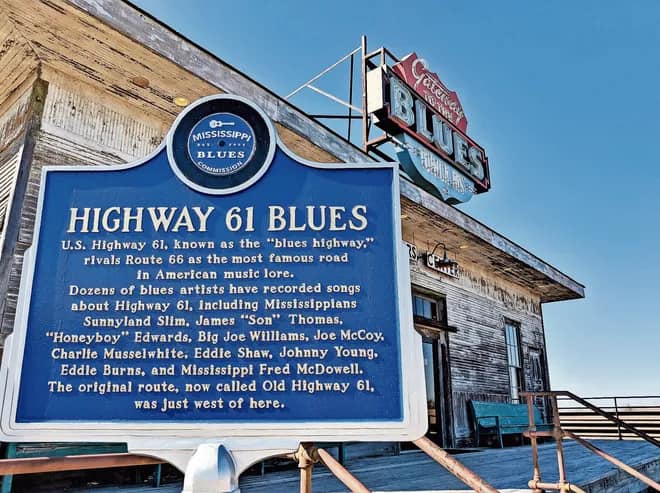
Celebrating the Legacy of the Blues Highway U.S. Route 61 and the Mississippi Blues Trail
By - November 24, 2025

Ya been had! Ya been took! Ya been hoodwinked! Bamboozled! Led astray! Run amok!”
By - November 24, 2025

Dean L. Rogan Sr. A 59-Year Legacy of Healing, Leadership, and Service to Community
By - November 24, 2025



























Recent News
Cairo’s Historic Cavalier Club to Be Reborn as Cavalier Regional Arts and Events Center
By - December 14, 2025
0
Cairo Community Launches African American Heritage Trail and Oral History Project
By L Williams - December 7, 2025
0
Reclaiming Our Power: A Call to the Black Church to Restore Civic Leadership
By lwilliams@semourbanvoices.com - December 6, 2025
0
Living legacies: The life experiences of Southern Illinoisans
By lgibbs@dailyegyptian.com - December 4, 2025
0
Sunset N Da Bootheel 2025: Honoring Heritage, Bridging Cultures, and Building the Future
By lwilliams@semourbanvoices.com - August 27, 2025
0