


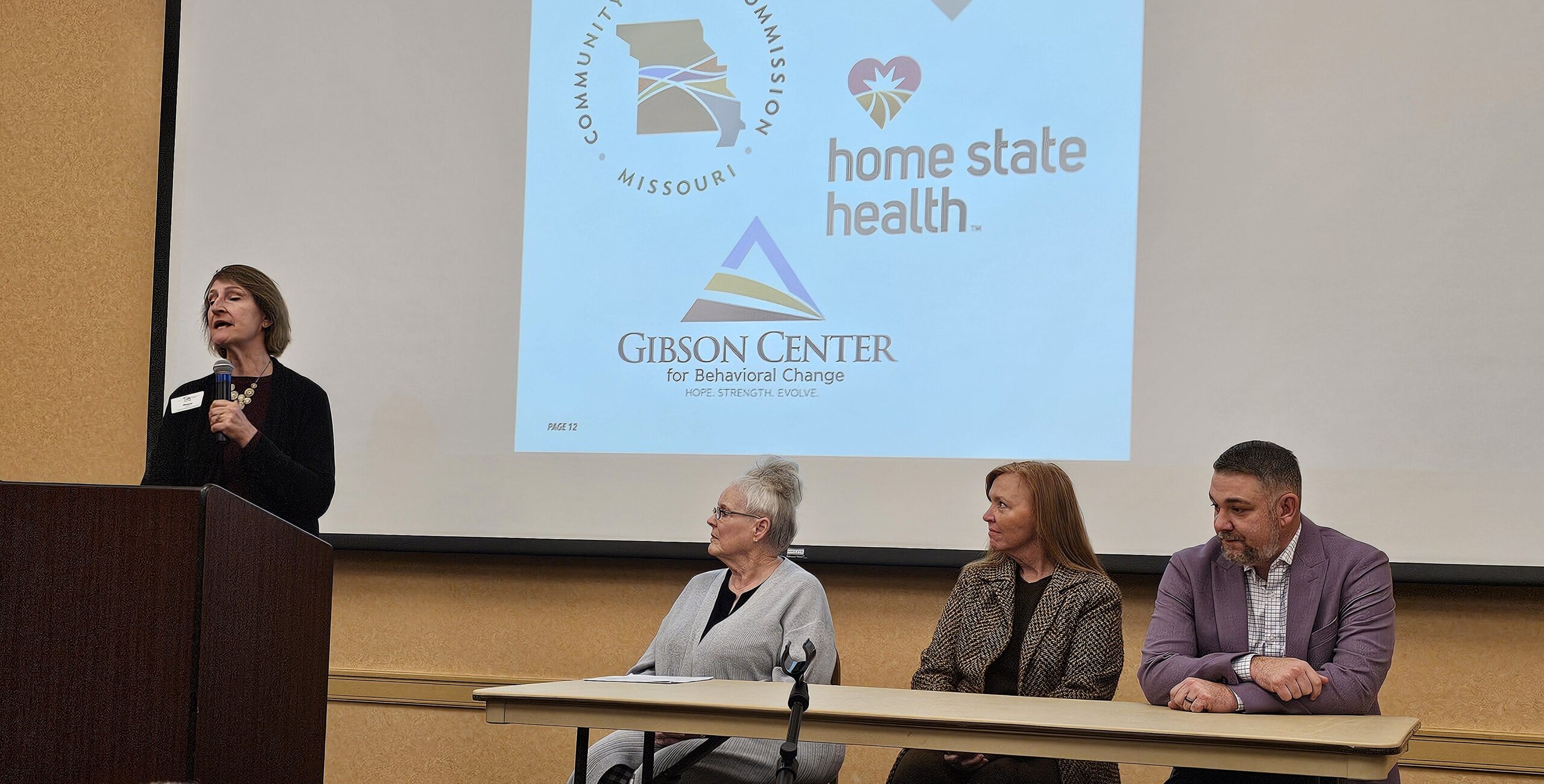
2025 Empowerment Conference: The Impact and Reality of Proposed Healthcare Cuts.

 0
0 126 views
By - December 11, 2025
Where Do We Go from Here?
Sikeston, MO — November 12, 2025 Southeast Missouri residents, advocates, and community leaders gathered at the Miner Convention Center for the 2025 Empowerment Conference: The Impact and Reality of Proposed Healthcare Cuts. What unfolded over the four-hour convening was more than a policy discussion—it was a collective awakening. For many in the room, the conference crystallized the urgency of what Missouri stands to lose should Medicaid cuts move forward, and it underscored the work that communities must now prepare to undertake.
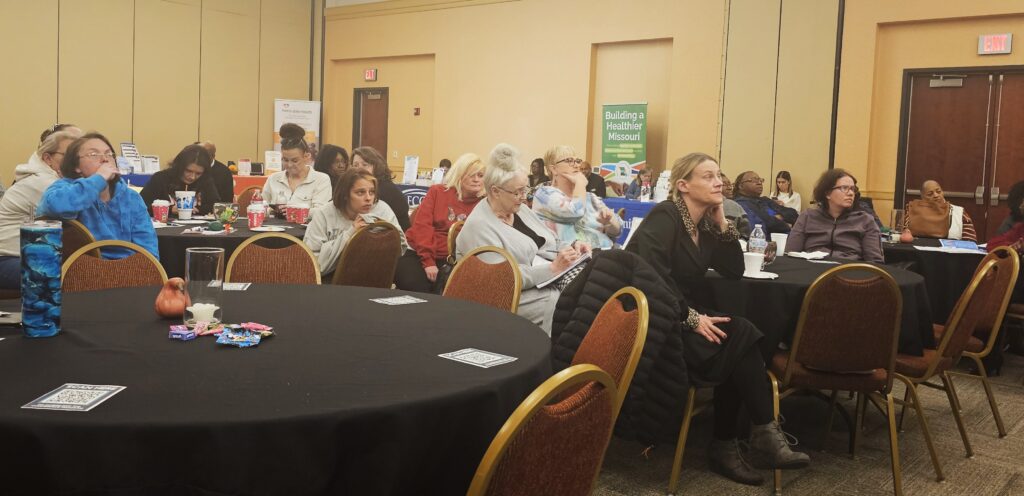
Organized by the Portageville NAACP with support from neighboring branches, the conference reflected a growing unease across the Bootheel. Residents, many already navigating fragile healthcare arrangements, now face the possibility of further destabilization as state and federal policy changes loom.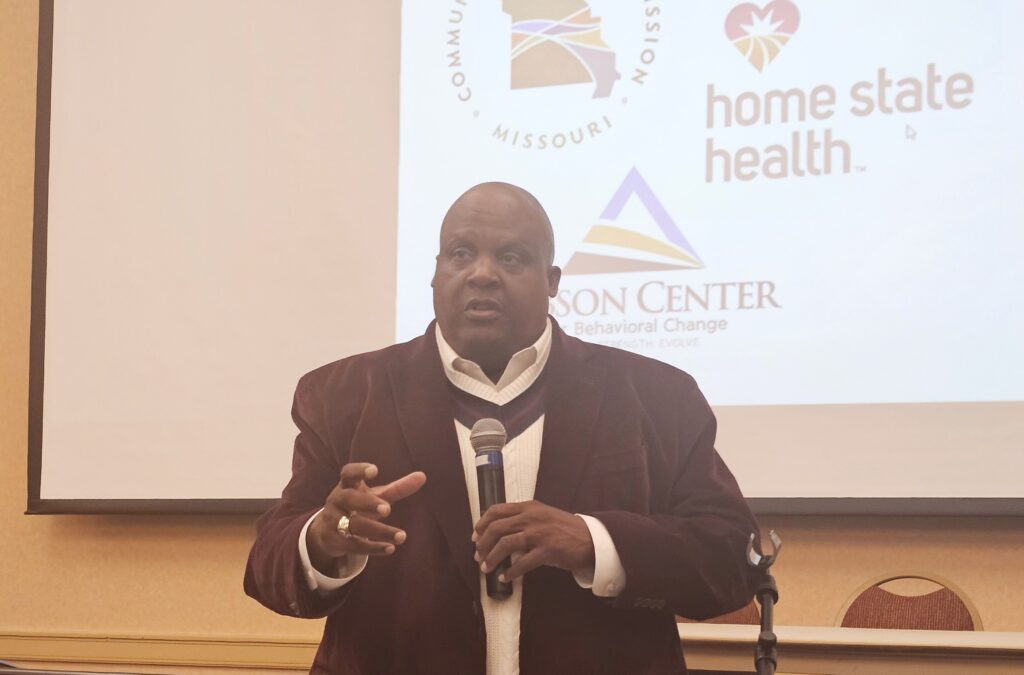
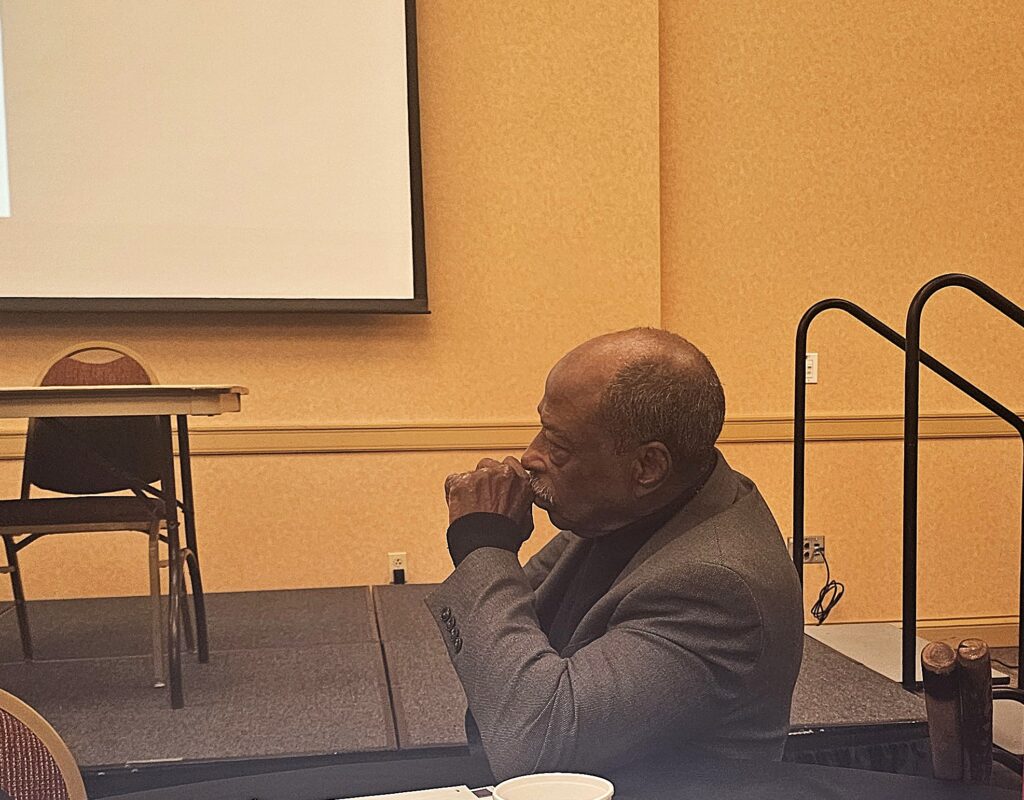
Moderator Lester Gillespie (left) of Fresh Start Self-Improvement Center and Rev. Bobby Dean (right) President of the Portageville NAACP helped anchor the conversation in local history, current needs, and the work ahead.
Speaker Nate Percy of the Missouri Hospital Association, provided charts and further layers of analysis: unless Southeast Missouri moves strategically and collaboratively, thousands of families, seniors, children, and workers will face devastating gaps in care.
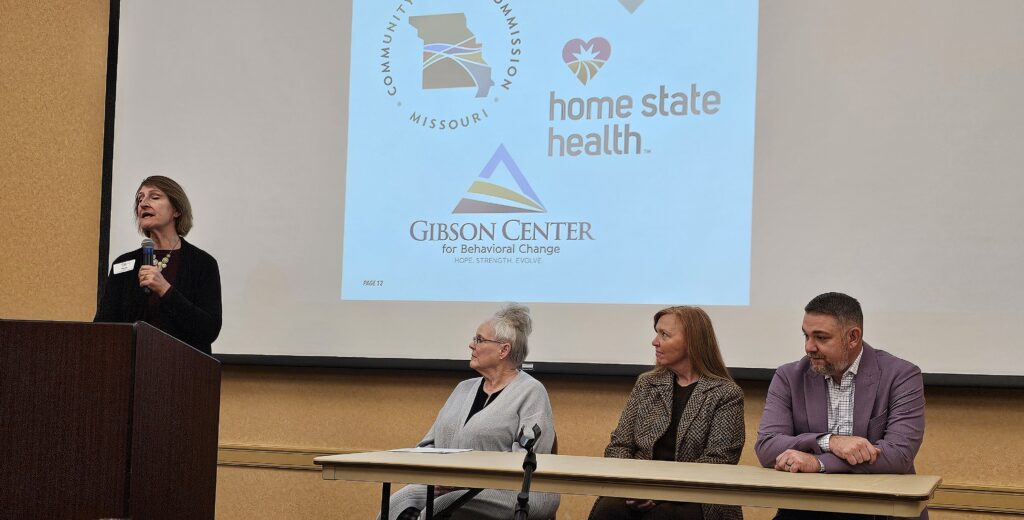
Speakers including Rachel Johnson of the Mississippi County Health Department, Nancy Kelly of the Missouri Foundation for Health, Nate Percy of the Missouri Hospital Association, Ryan Essex of the Gibson Center for Behavioral Change, and Sean Ivory of the Community Health Commission of Missouri added examples and further layers of analysis.
Collectively, their contributions underscored the seriousness of the moment—but also the resilience and determination already present in Southeast Missouri communities.
Organizers hope this conference is the beginning of a long-term regional movement. Follow-up sessions, community roundtables, and cross-county coalitions are already being discussed. What emerged from the day was a powerful blend of testimony, data, and a call to collective responsibility.
“Hope Requires Work”: Rawlings Issues a Charge to the Region
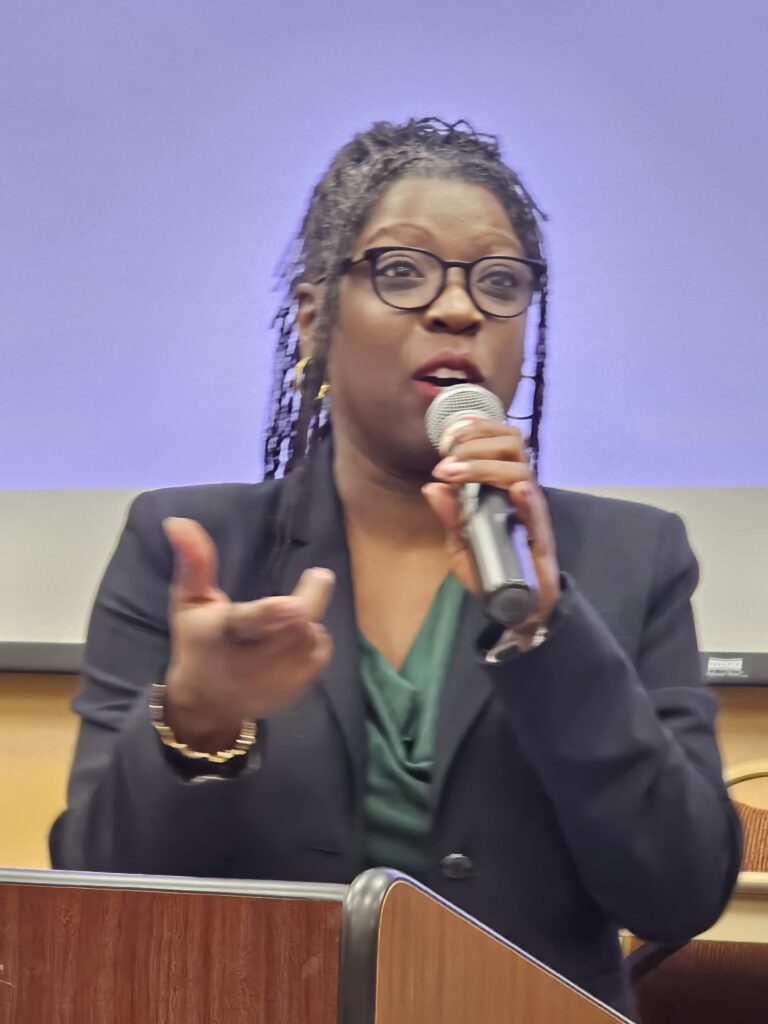
Riisa Rawlings, CEO of the Community Health Commission of Missouri, delivered one of the most resonant messages of the day. She reminded attendees that the inequities communities struggle with—limited access to healthcare, unstable housing, inconsistent food security, and underfunded schools—are not accidents of geography. They are the predictable outcomes of systems designed to benefit some ZIP codes while undermining others.
“Your ZIP code determines your access to healthcare, housing, food, education—and ultimately, generational wealth,” Rawlings said. “None of this is by accident.”
Her call was not for optimism, but for active hope—hope expressed through organizing, advocacy, partnership, and persistence. She pointed to community-led solutions already emerging across Missouri: trauma-informed employment pathways, mutual aid networks, storytelling initiatives that elevate local experiences, and cross-county collaborations that share resources and amplify regional needs. Rawlings urged communities to embrace these models and expand them, insisting that change begins with those directly affected.
“Transformation begins now,” she reminded the audience. “And it begins in community.”
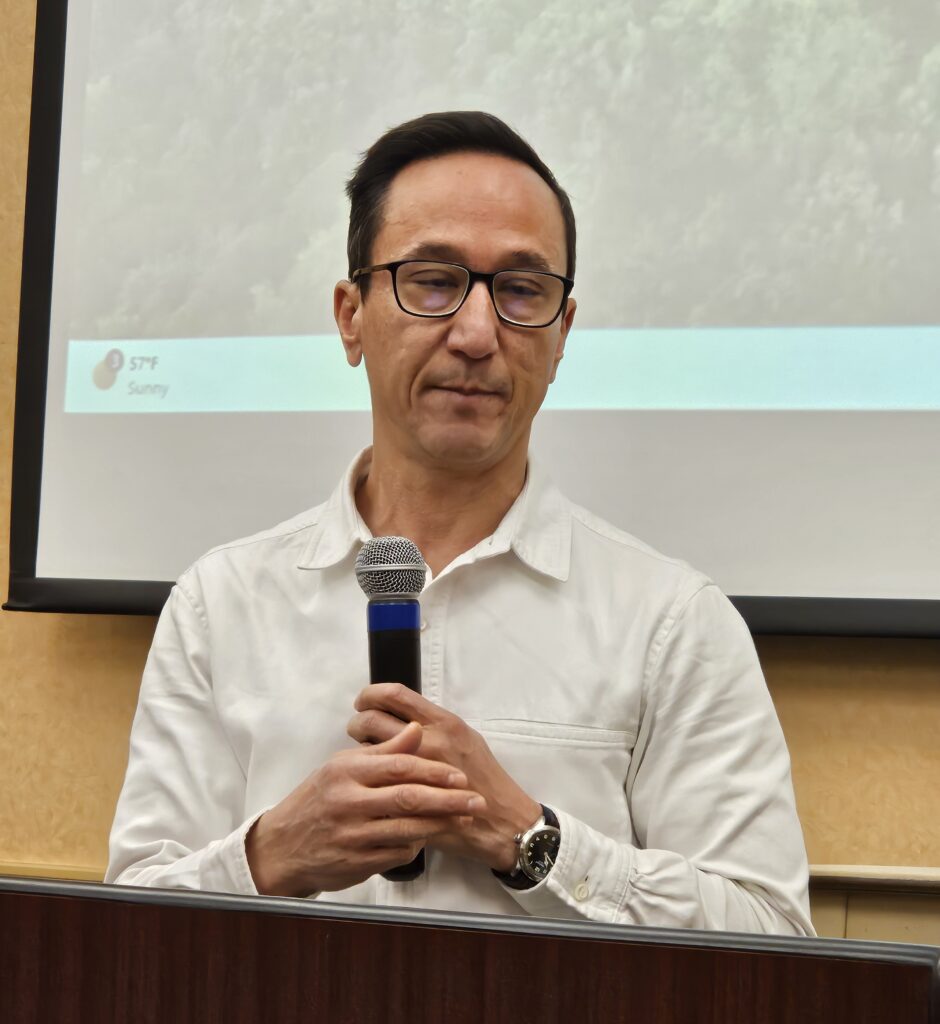
Dr. Nadim Kanafani, Chief Medical Officer of Healthy Blue Missouri, provided a sobering overview of Missouri’s healthcare landscape. He warned that the state is entering a “perfect storm” of rising marketplace premiums, potential reductions in federal subsidies, and widespread confusion in Medicaid redeterminations. The combination, he said, threatens to push thousands—particularly low-income families and children—out of the healthcare system entirely.
He stressed that Medicaid remains one of the most comprehensive forms of healthcare coverage available, offering preventive care, dental, transportation, mental health services, and pregnancy care—mostly without cost-sharing. Losing such coverage simply because paperwork wasn’t processed is, he argued, both unnecessary and harmful.
His message was clear: the most effective way to protect families right now is to help them stay enrolled. That means guiding people through the redetermination process, supporting them in updating their contact information, and ensuring they understand their coverage options.
Testimony That Grounded the Crisis in Reality
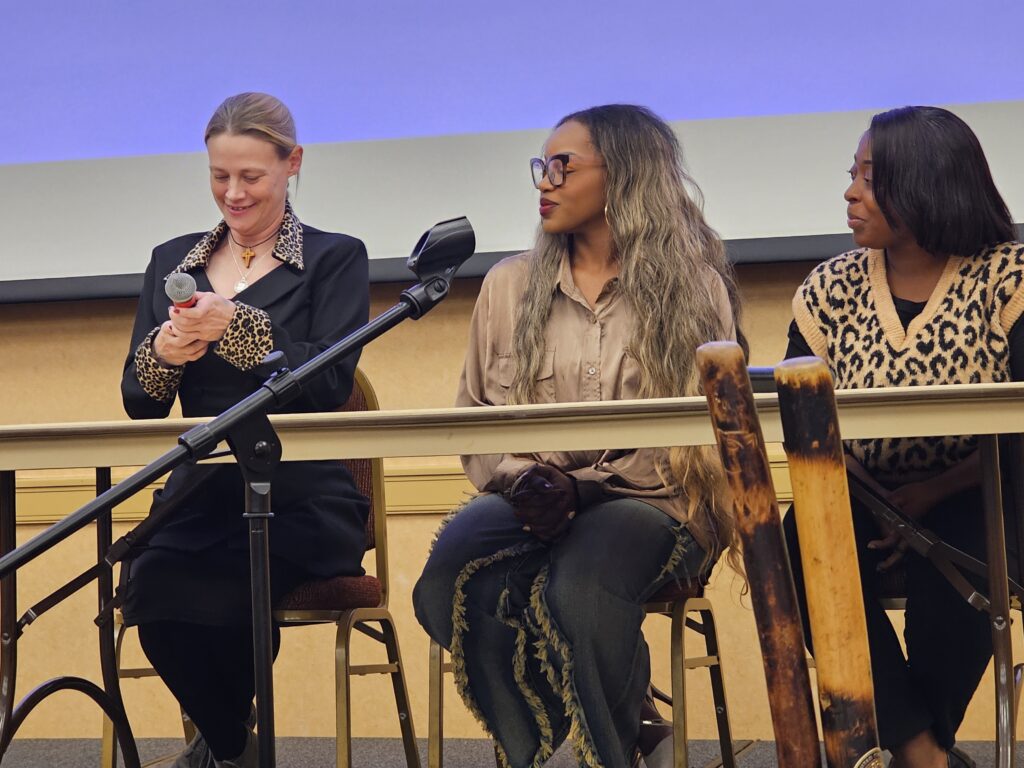
Perhaps the most powerful moment came from the panel of three young women who shared deeply personal accounts of struggling within the Medicaid system. Their stories moved the room in a way data alone never could.
Another shared the hardship of fighting since August to secure SNAP and full Medicaid benefits, receiving only one month of food assistance and being placed on a limited Medicaid plan that excluded mental health care. With her voice trembling, she described relying on others for groceries while being unable to afford the out-of-pocket cost of therapy.
“I thank God for the people He placed in my life,” she said. “Because I could not receive Medicaid or SNAP.” Their experiences brought into sharp focus what bureaucratic delays, administrative mistakes, and policy decisions mean in real lives.
Additional Leadership and Regional Insight
The conference concluded with a shared understanding that passive worry is no longer enough. Southeast Missouri must now strengthen local enrollment support networks, coordinate regional advocacy efforts, and ensure residents have access to accurate information and assistance. Community voices must continue to shape the narrative, and policymakers must hear firsthand how proposed changes affect real people.
Where Do We Go from Here?
Participants also stressed the need for ongoing organizing: more community roundtables, deeper collaboration across counties, sustained legislative engagement, and continued amplification of lived experiences.
The Empowerment Conference revealed the depth of the crisis—but also the strength of a region ready to defend its most vulnerable residents. The stories, the data, and the calls to action all pointed toward a single truth: Southeast Missouri has the leaders, the experience, and the will to fight for equitable healthcare.
As Rawlings urged, it is time to “move from lament to design.” And for the us, that work begins now—together.
Summary of Remarks by Dr. Nadim Kanafani, MD CMO, Healthy Blue Missouri Medicaid
2025 Empowerment Conference
Riisa Rawlings emphasized that the inequities communities face today—whether in healthcare, housing, education, food security, or economic opportunity—are not accidental. They are the result of policies and systems intentionally designed to make access easier for some communities and harder for others. A person’s ZIP code continues to determine their life outcomes, including the possibility of building generational wealth. Rawlings challenged attendees to think deeply about how we respond to this moment, not only as policymakers or service providers, but as neighbors committed to each other’s wellbeing. She argued that hope must be active, not passive—rooted in organizing, advocacy, community connection, and shared responsibility. Without action, hope is hollow. She pointed to existing local partnerships and community innovations as models of what is possible. She encouraged looking to trauma-informed networks, mutual aid efforts, storytelling campaigns, participatory budgeting, and regional collaboration as tools for weaving hope through hardship. Rawlings noted that community stories often resonate more than charts and graphs when trying to influence decision-makers. The impacts of current policies are already generational, she warned, and communities cannot afford to “wait it out.” Discussions and data mean little without action—so the work must start now. Real change happens when people organize together, support one another, and stay engaged. Rawlings closed by urging the audience to let grief and frustration motivate collective design and community-driven solutions, rather than despair or isolation. True progress depends on listening to community voices, connecting people to resources, and committing to one another through this challenging period.
Summary of Remarks by Dr. Nadim Kanafani, MD CMO, Healthy Blue Missouri Medicaid
2025 Empowerment Conference
Dr. Nadim Kanafani offered a candid and personal analysis of the challenges facing Missouri’s healthcare coverage system, particularly Medicaid. Speaking from his experience as a pediatrician and health plan executive, he emphasized that the state is entering a period of deep uncertainty where large numbers of Missourians may lose health insurance—not because they are ineligible, but because administrative barriers prevent them from staying enrolled.
Kanafani explained that Medicaid is part of a larger, interconnected health insurance ecosystem that includes employer coverage, private plans, and the Affordable Care Act (ACA) marketplace. When one part of the system shifts, others typically absorb the impact. However, Missouri now faces what he called a “perfect storm”: potential Medicaid losses combined with rising marketplace premiums and the possible reduction of federal subsidies. If these factors converge, many Missourians, especially low-income families—may fall through the cracks and end up with no coverage at all.
A major driver of projected Medicaid losses is not eligibility changes, Kanafani stressed, but administrative challenges, especially during the redetermination process. Up to 70% of Missourians who lost Medicaid last year were dropped for procedural reasons, such as not receiving mail, lacking internet access, misunderstanding paperwork, being unable to get through call centers, or missing deadlines. Children made up a particularly large share of these losses.
Kanafani underscored that Medicaid is strong, comprehensive coverage that offers preventive care, mental health services, dental care, transportation, pregnancy care, and more—often with no cost-sharing. Losing such coverage because of paperwork is unnecessary and harmful.
He noted that while some people who lose Medicaid may shift to ACA marketplace plans, those options become unaffordable if federal subsidies are weakened. Marketplace premiums are already projected to rise sharply due to anticipated enrollment changes, leaving many without viable alternatives. To address this, Kanafani called for legislative advocacy, community outreach, and expanded enrollment assistance programs. He emphasized that most people who lose Medicaid simply need help navigating the system: stable contact information, support completing forms, access to the online portal, and guidance from trained enrollment specialists.
Ultimately, he warned that without action, Missouri could see widespread uninsured rates, worsening health outcomes, increased financial strain on hospitals, and long-term community impacts.
The takeaway from Kanafani’s remarks: Missouri is at risk of large-scale coverage losses driven not by ineligibility, but by administrative barriers—creating a perfect storm that requires urgent policy attention, community support, and strong advocacy to avoid
Related News

Cairo’s Historic Cavalier Club to Be Reborn as Cavalier Regional Arts and Events Center
By - December 14, 2025

2025 Empowerment Conference: The Impact and Reality of Proposed Healthcare Cuts.
By - December 11, 2025
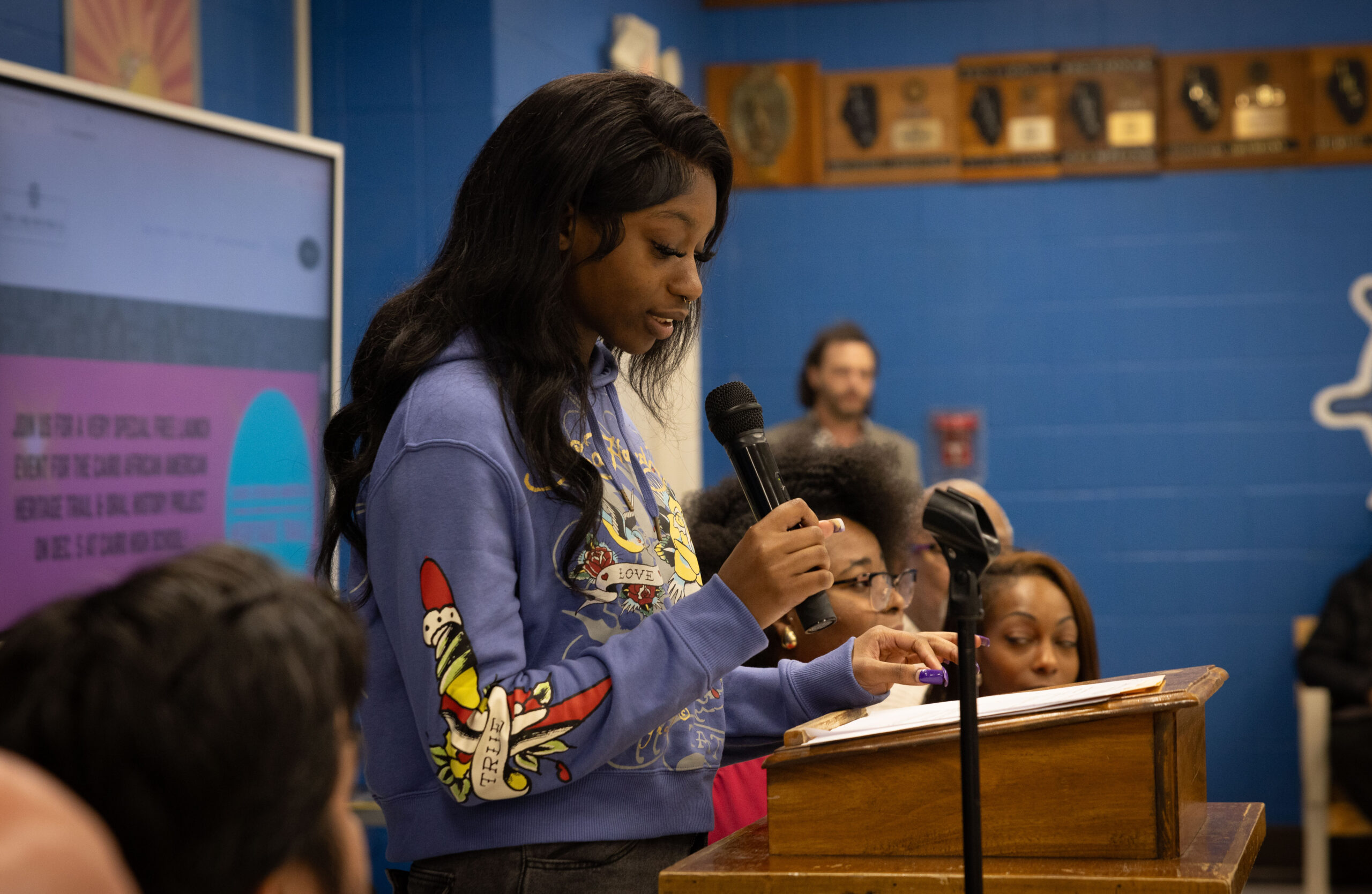
Cairo Community Launches African American Heritage Trail and Oral History Project
By - December 7, 2025

Reclaiming Our Power: A Call to the Black Church to Restore Civic Leadership
By - December 6, 2025



Kinder, Guard to Face Off in Cape Girardeau Mayoral Race; Several Council Seats Uncontested
By - November 24, 2025
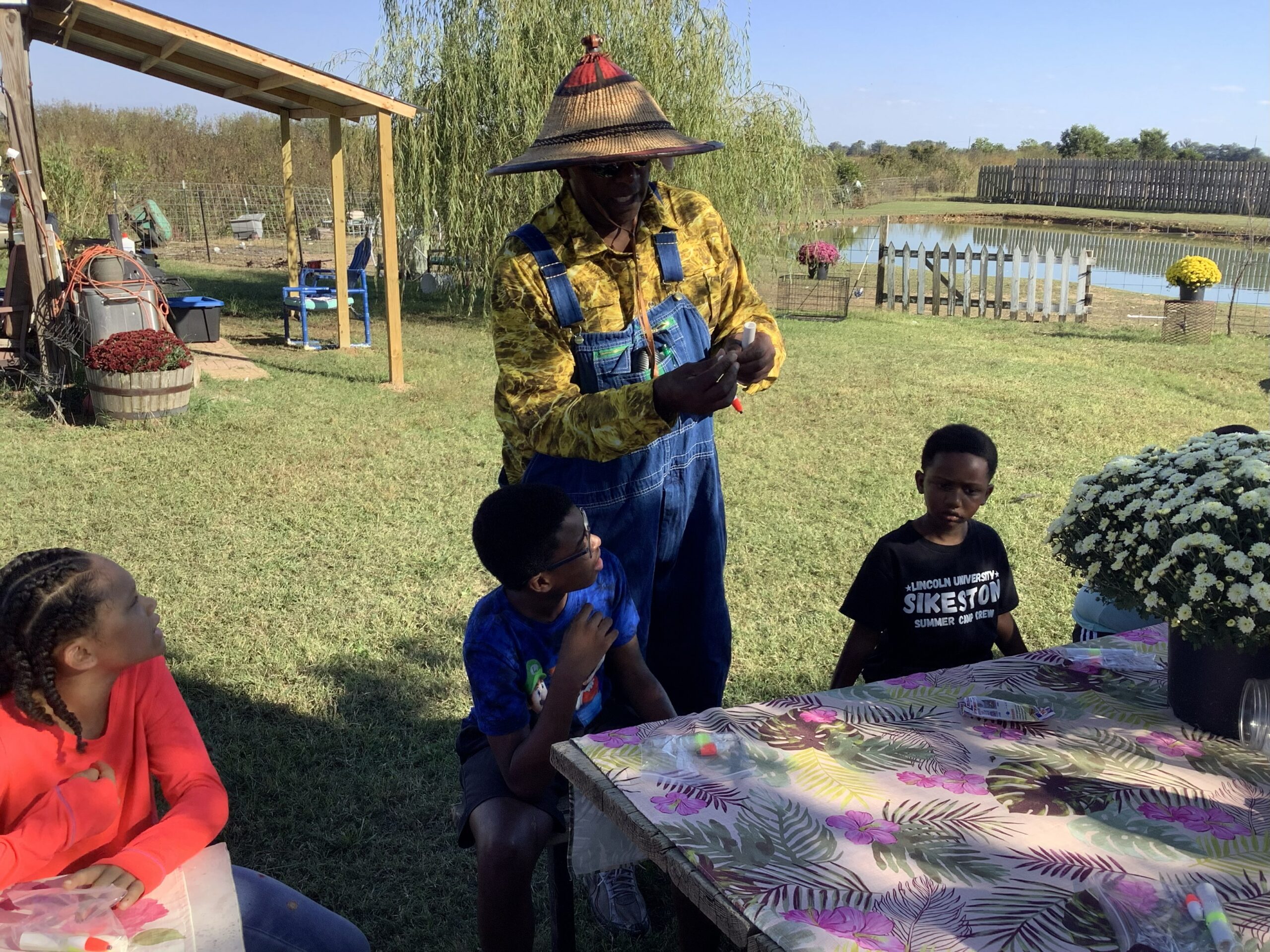
Establishing Space: How one African American curator makes room amid shifting DEI priorities
By - November 24, 2025
Celebrating the Legacy of the Blues Highway U.S. Route 61 and the Mississippi Blues Trail
By - November 24, 2025
Ya been had! Ya been took! Ya been hoodwinked! Bamboozled! Led astray! Run amok!”
By - November 24, 2025

Dean L. Rogan Sr. A 59-Year Legacy of Healing, Leadership, and Service to Community
By - November 24, 2025























Recent News
Cairo’s Historic Cavalier Club to Be Reborn as Cavalier Regional Arts and Events Center
By - December 14, 2025
0
Cairo Community Launches African American Heritage Trail and Oral History Project
By L Williams - December 7, 2025
0
Reclaiming Our Power: A Call to the Black Church to Restore Civic Leadership
By lwilliams@semourbanvoices.com - December 6, 2025
0
Living legacies: The life experiences of Southern Illinoisans
By lgibbs@dailyegyptian.com - December 4, 2025
0

Sunset N Da Bootheel 2025: Honoring Heritage, Bridging Cultures, and Building the Future
By lwilliams@semourbanvoices.com - August 27, 2025
0